
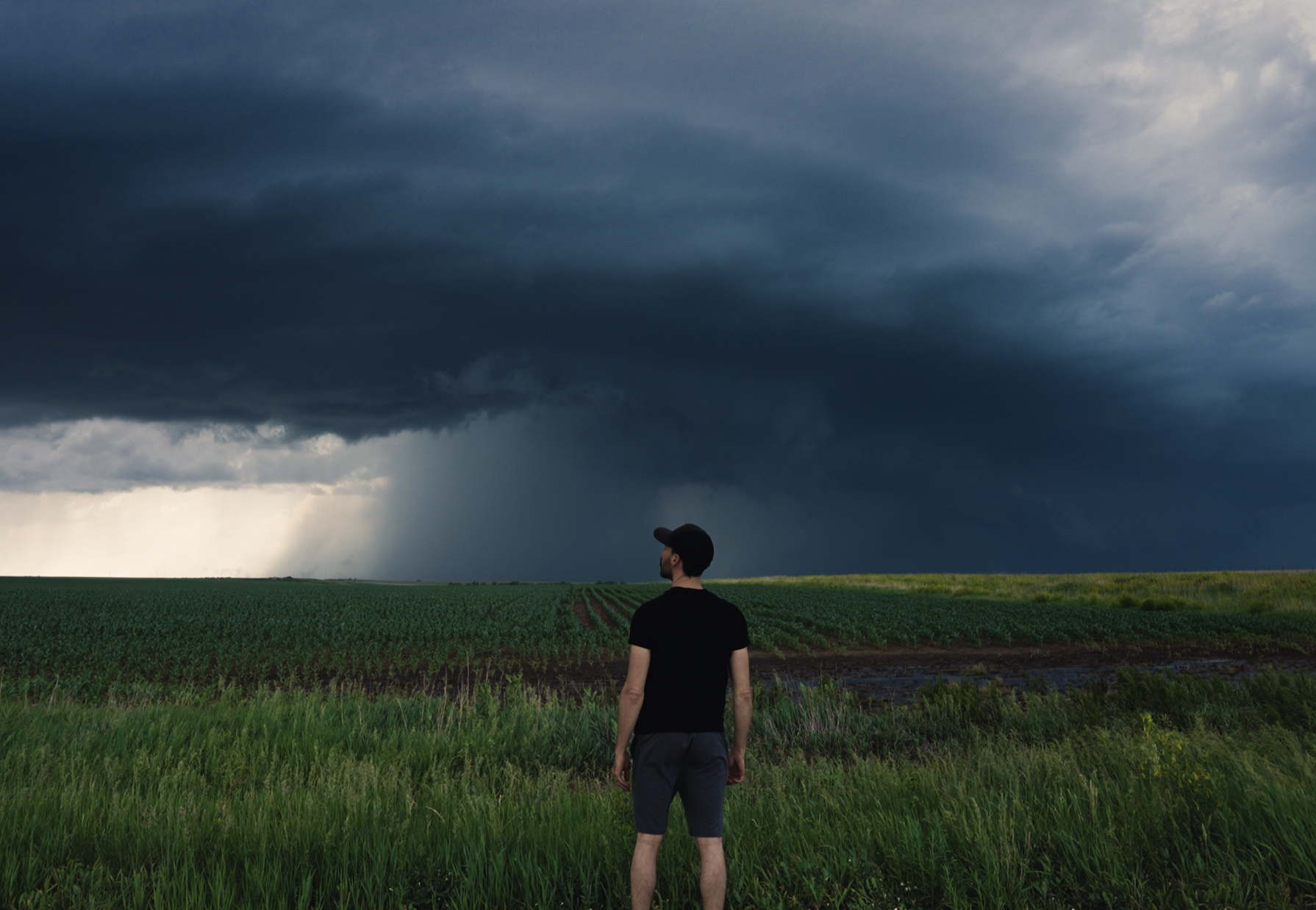
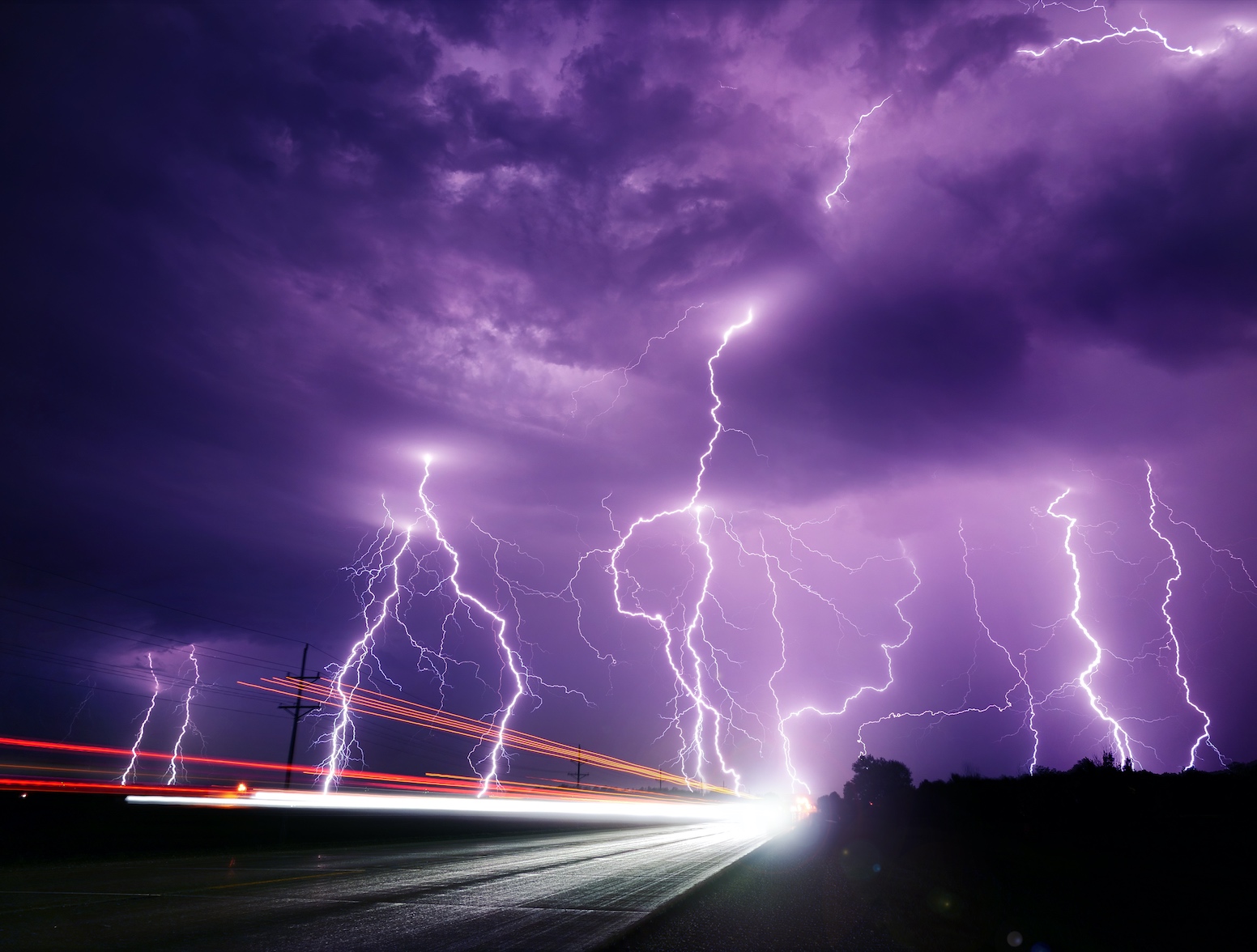
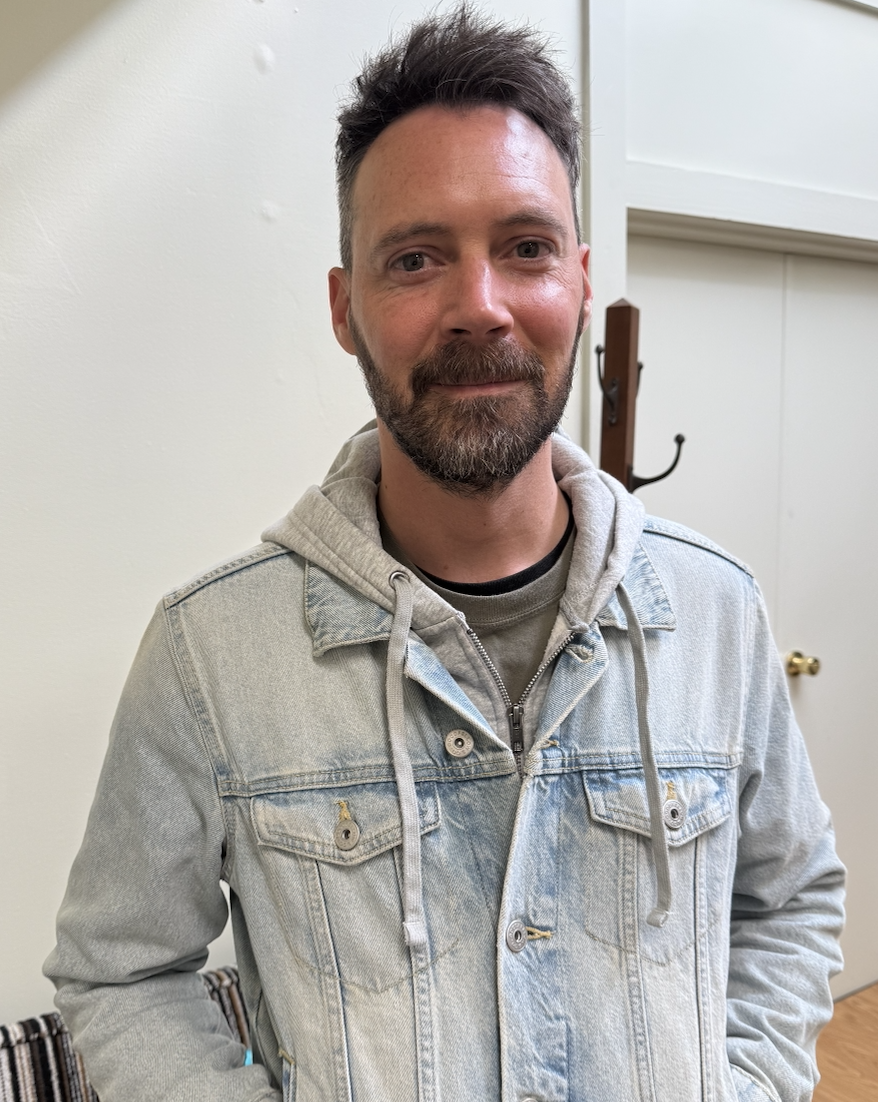
“I've never been scared looking at a tornado,” stormchaser Gabe Cox said. “It's kind of like atmospheric performance art, if I could say it that way. [...] It’s only when they intersect with humanity that it becomes potentially tragic.”
Mr. Cox is a Georgetown resident who works as a storm chaser— driving across the county to document tornadoes and hurricanes. He currently reports storms closer to home working with KXAN news to livestream footage of local weather events. His footage has been used by ABC, National Geographic, BBC and other networks to educate the public about natural disasters.
“When people get a warning on their phone, most people ignore it,” Mr. Cox said. “[But] if you put an image behind it, if you put video behind it— that's when people start to take it seriously.”
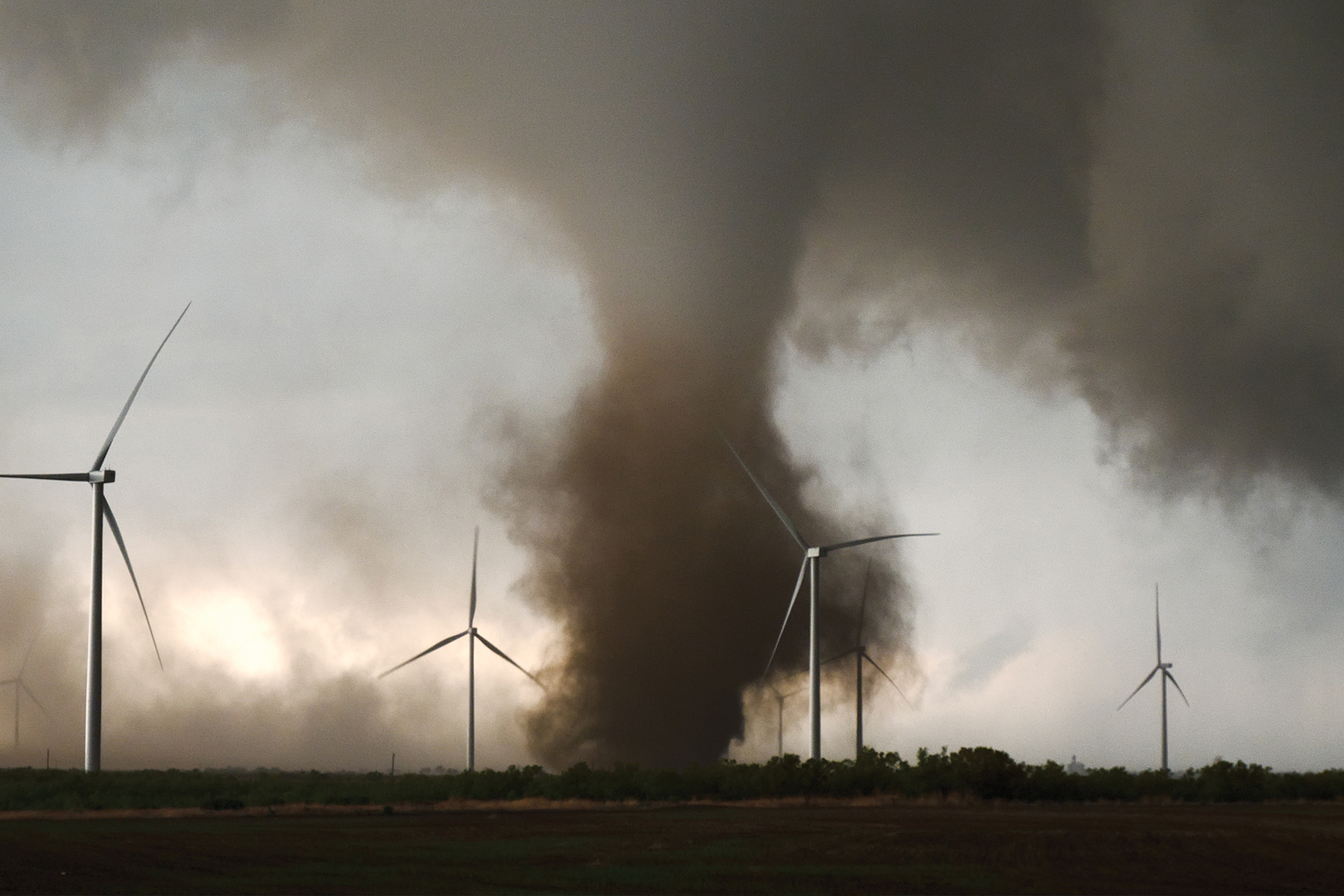
Mr. Cox captured an EF Four tornado in Winniewood, Oklahoma, in 2016. He described the event as being hypnotic. It was like putting his ear on the back of a jet engine. Trees flew across the road as telephone poles snapped. What stuck out to him the most, however, was the smell.
“It was churning up the ground, the dirt, the trees,” Mr. Cox said.
“I've traveled as far north as North Dakota, as far east as the Carolinas. I’ve chased lots of tornadoes, probably about 100 tornadoes to date. I’ve been in every category of hurricane one through five,” Mr. Cox said.
He used to be on the road for weeks on end trying to catch a tornado on film.
“It’s definitely [like] finding a needle in the haystack,” he said. “The average tornado lasts about four minutes.”
Mr. Cox’s chases include days of planning, interpreting weather data, mapping potential escape routes and driving. He keeps a helmet, safety glasses, and a first aid kit in his car.
“[Before I go out,] I say a prayer that I’ll stay safe and be where I need to be,” he said.
To safely view a tornado, he typically positions himself to the South East of the storm, but it depends on what position it is blowing in.
Hurricanes are very different from tornadoes and are more similar to running a marathon, he said. Hurricanes can last for days, and he has to be in it to capture it
“The strongest hurricane I've ever been in was in October of 2018. A category five hurricane that hit Panama City, Florida,” Mr. Cox said. “The real human impact of it hit me hard during that storm, and that's when I decided to start giving a percentage of all the sales that I've made with stock footage have gone into disaster relief.”
For that hurricane, he perched himself in a parking garage with camping supplies in his car; the garage provided a good vantage point to see the storm.
“The [hurricane] wind is so strong you can feel it through your body, just shaking everything,” he said. “Tornadoes are different, because they happen pretty quickly. You’re outside of those, so you’re observing those from a distance.”
Mr. Cox has been preoccupied with the weather since he was a kid. His parents got him a weather station and installed it on their roof — knowing that his dream job was to be a storm chaser. However, when he was in college, he abandoned this dream. A meteorology degree involved a lot of math, and filmmaking better suited his dyslexic skillset.
He thought as a filmmaker, he had missed his chance to be a storm chaser. But one day, a small tornado went directly over his film office. He rushed outside and caught the incident on camera.
“The first person I called was my mom,” Mr. Cox said. “She actually cried. She was so happy for me.”
Mr. Cox’s family — including his wife and two daughters — have been very supportive of his stormchasing. Filmmaking has been an avenue for him to capture storms for people to safely view.
Mr. Cox said watching tornadoes is fascinating because scientists still don’t entirely understand them. Mr. Cox explained natural disasters are a crucial mechanism for maintaining atmospheric balance. Hurricanes carry warmth from the tropics toward cooler regions, while thunderstorms redistribute energy vertically. The majority of tornadoes occur in open fields and don’t cause any damage.
“If I could compare [storm chasing] to something, it would be atmospheric forensics. You're studying the maps. You're trying to see where certain ingredients will overlay, and finding the place where it's going to be most likely that a storm will form, and then most likely where a tornado will form,” he explained.
Ideally, Mr. Cox said there are three people together chasing storms. One dedicated driver, one navigator and one person to capture the footage and contact the weather service to report details.
Storm chasing is a lot of “hurry up and wait,” he said. He enjoys getting to see small town Americana— the old signage, diners, mom-and-pop shops.
“I've had townspeople come out while I'm out looking for storms and offer to pay for my lunch,” Mr. Cox said. “Because they appreciate having storm spotters out there who can report things and keep them safe.”
There are a number of natural disasters that aren’t captured on film. He said this sometimes prevents impacted towns from getting the relief they need to deal with the damage.
Dixie Alley, the tornado alley that runs through the Southern states, experiences more tornadoes than the public realizes, he said. There is not as much footage captured of these tornadoes because of the hills and tall trees. Natural landforms don’t lessen the effect of these tornadoes, he said.
The most important thing to him is to both educate the public and create art.
“My goal is to capture Mother Nature and storm cinematically in an effort to draw people into a place that most people don't want to go to, but can admire at least,” he said.
Mr. Cox’s work can be found on stormreel.com and his journey of documenting a hurricane was captured in Earth Storms, an Emmy-nominated Docuseries available on Netflix.