

For 14 years, Brookwood in Georgetown has operated vocational programs for adults who are diagnosed with intellectual and developmental disabilities. Programs are offered at three campus communities four days a week, while the soap, jewelry, pastries and other goods produced by Brookwood’s clients — called citizens — are sold at the BiG Cafe and Shop in Georgetown.
Now, the organization has opened its new permanent residential community, Grace Place, on a 127-acre property between Georgetown and Weir.
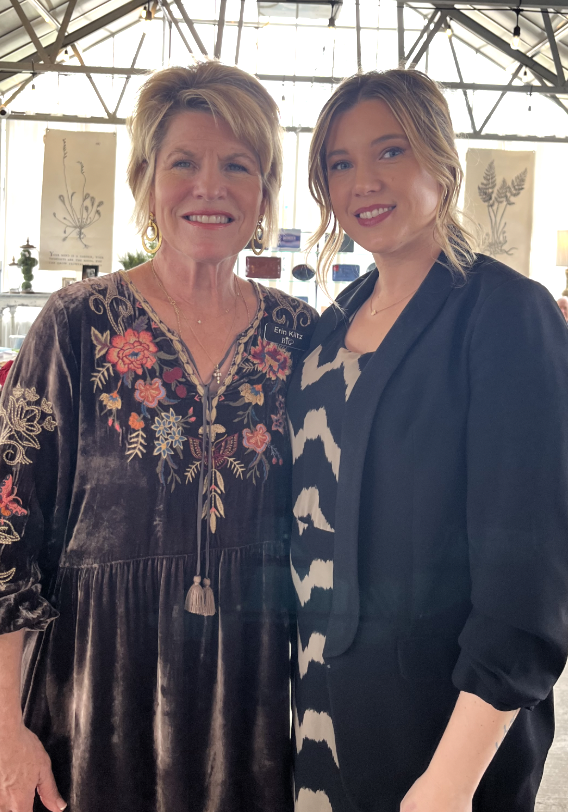
Founder Erin Kiltz said Grace Place is a culmination of the vision she had for the organization when it first launched in 2011, when her special needs daughter, Gracie, was 18 years old. Ms. Kiltz realized that once her daughter aged out of the school system, she would just be at home, “without community, without purpose.”
“When I started to search for a life-giving community where individuals with special needs were highly valued [...] I just came up short,” she told the Sun. “There was just nothing [in the area] that resonated with my soul that I wanted for my daughter.”
Ms. Kiltz said the thought of who would take care of her daughter after she and her hus- band no longer could kept her up at night.
“It’s what drove me at a very frantic pace,” she said. “What happens when we’re gone? Who’s gonna care for her? Where’s she gonna live?”
She discovered The Brookwood Community just outside of Houston, which offered vocational opportunities for adults with intellectual disabilities as well as a residential facility that could care for them throughout their lives.
She said she reached out to the founder and executive director, who then mentored her through creating BiG. Now with Grace Place up and running, BiG has effectively replicated Brookwood’s residential and vocational model.
Grace Place
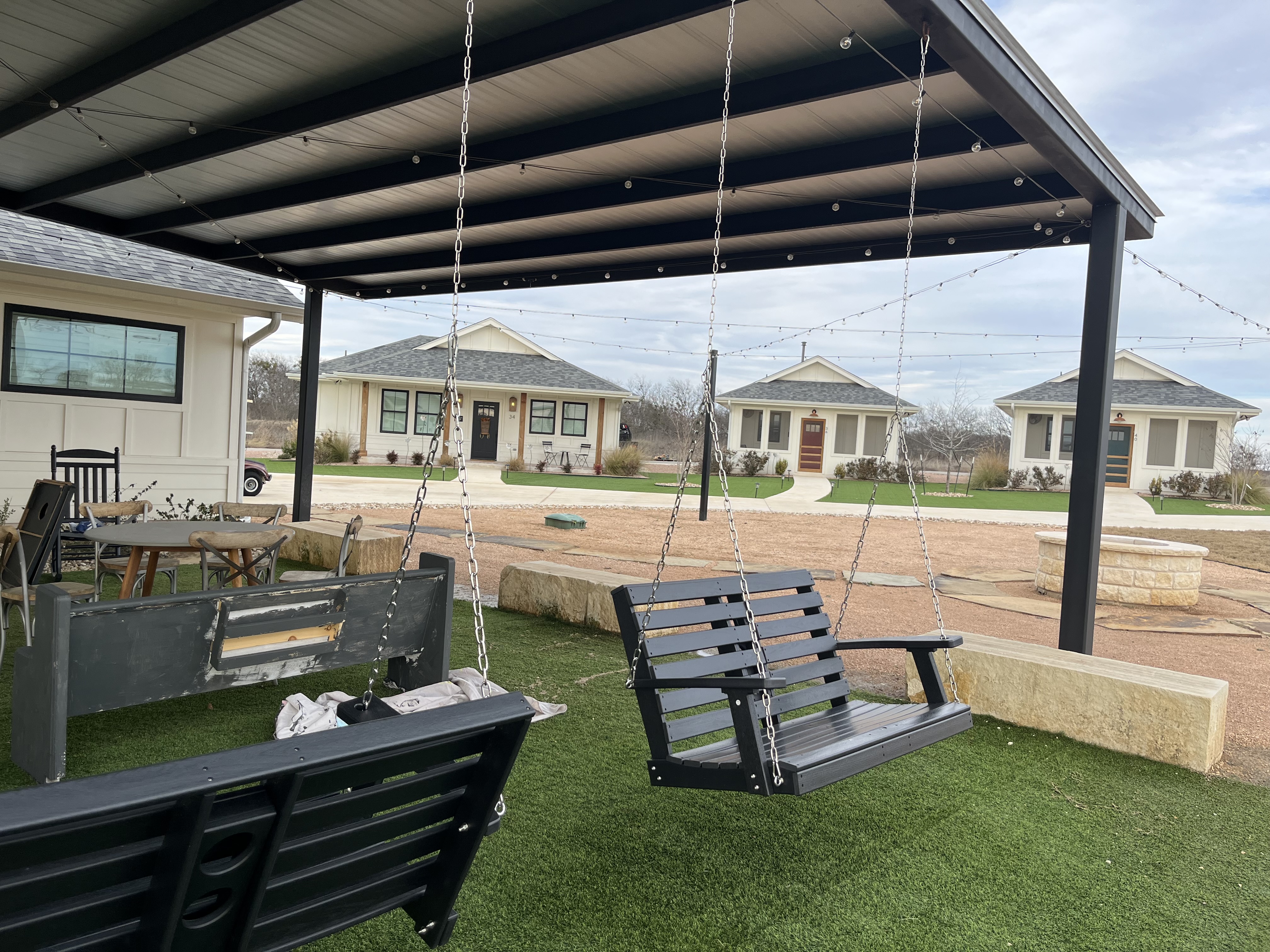
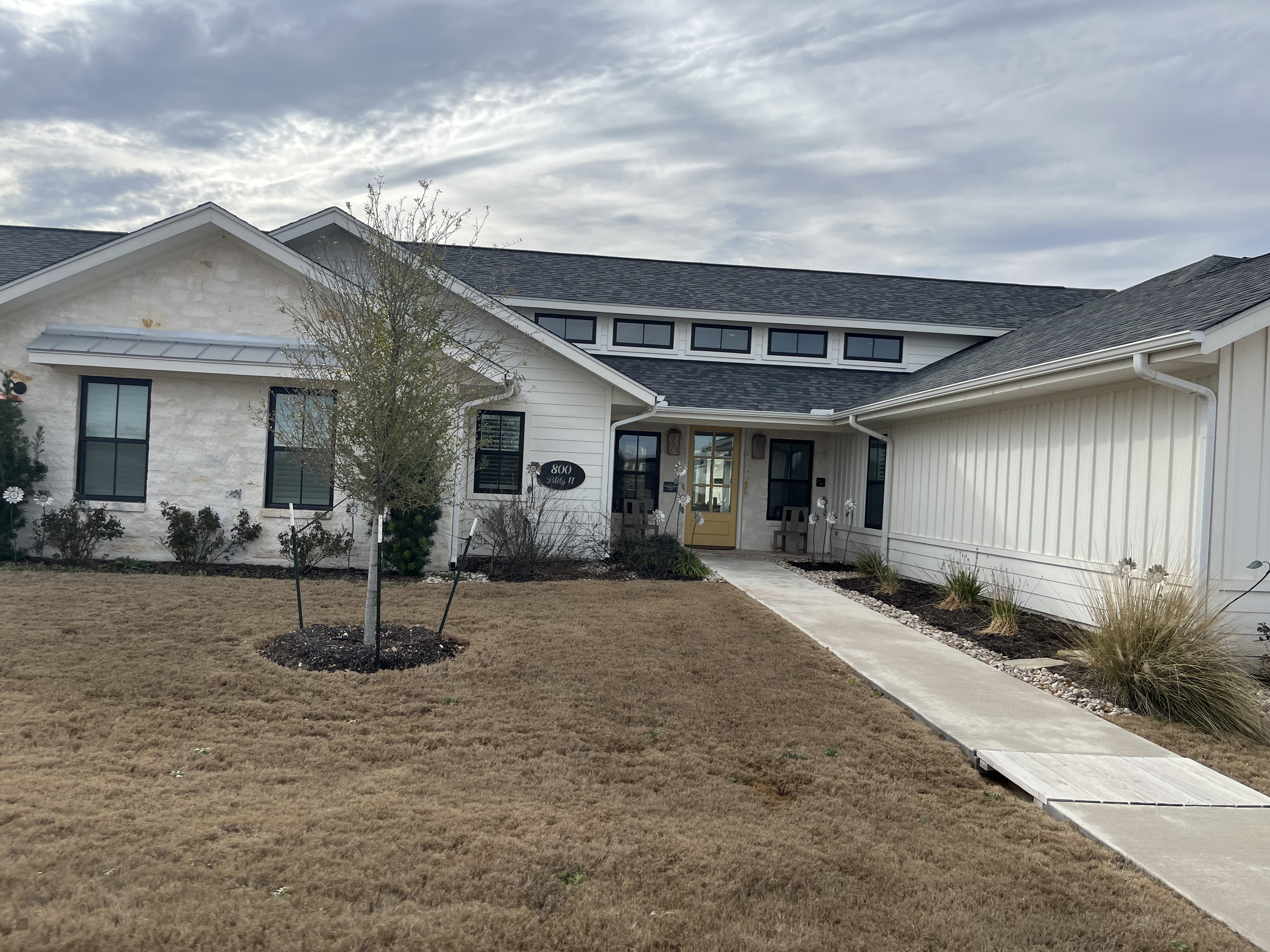
Twelve BiG citizens live at Grace Place so far. At full buildout, the nonprofit plans to house 80 citizens at the campus, located at 800 Grace Place Lane. About 100 interested people are on the wait list.
The residential program is tuition-based, although some scholarships are available. Families undergo an extensive application process to have their adult child considered. This is because the goal is to make each resident at Grace Place a BiG citizen for the rest of their life.
Revenue generating components of Grace Place will support operating costs, and aim to draw neurotypical people — those without intellectual disabilities — to the community. There is going to be a wedding chapel available for reservation, a special event center, a drive-in movie theater and possibly a pet resort at Grace Place. The goal is to create an environment where people of different backgrounds and abilities can co-exist.
“[Grace Place] won’t just be a place where adults with special needs live. It will really be a destination for the Greater Austin area — where people want to come engage in what Grace Place has to offer. They’ll be rubbing shoulders with our citizens.”
Since starting BiG, Ms. Kiltz has mentored other “like mind- ed leaders” in creating communities for special needs adults. There are now 12 communities in nine states.
“They’re all faith based communities that really see every one of our citizens like they’re all created in the image of God and have gifts to contribute to the world.” Ms. Kiltz said.
In 2018, Gracie Kiltz passed away unexpectedly at age 26.
“Everything was inspired by Gracie, and I thought it was all for her future,” Ms. Kiltz said.
How to get involved
BiG has volunteer opportunities in the gift shop and cafe. The nonprofit also offer tours of the campuses. For more information, visit their website, bigtx.org.