
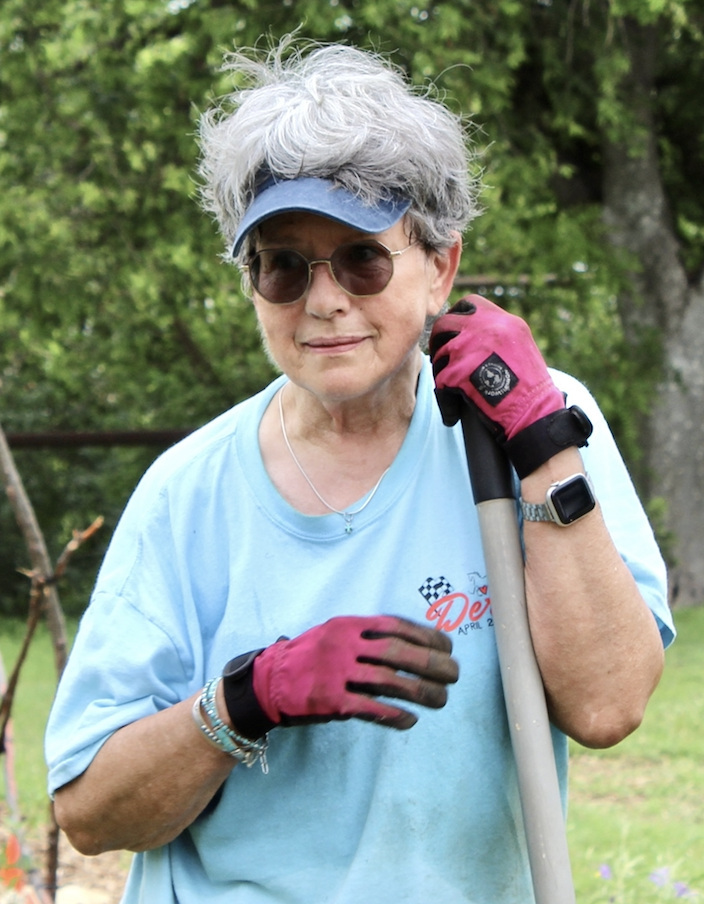
Growing up in Dallas, Phyllis Popplewell loved being outdoors. But after completing the Master Naturalist Certification Program a few years ago, her perspective and appreciation of nature shifted.
“[The program] involves your entire environment, everything in your environment, and it was just fascinating,” she said.
She’s a volunteer at Ride on Center for Kids in Georgetown, which provides equine therapy to children, adults and veterans with emotional, physical and emotional challenges.
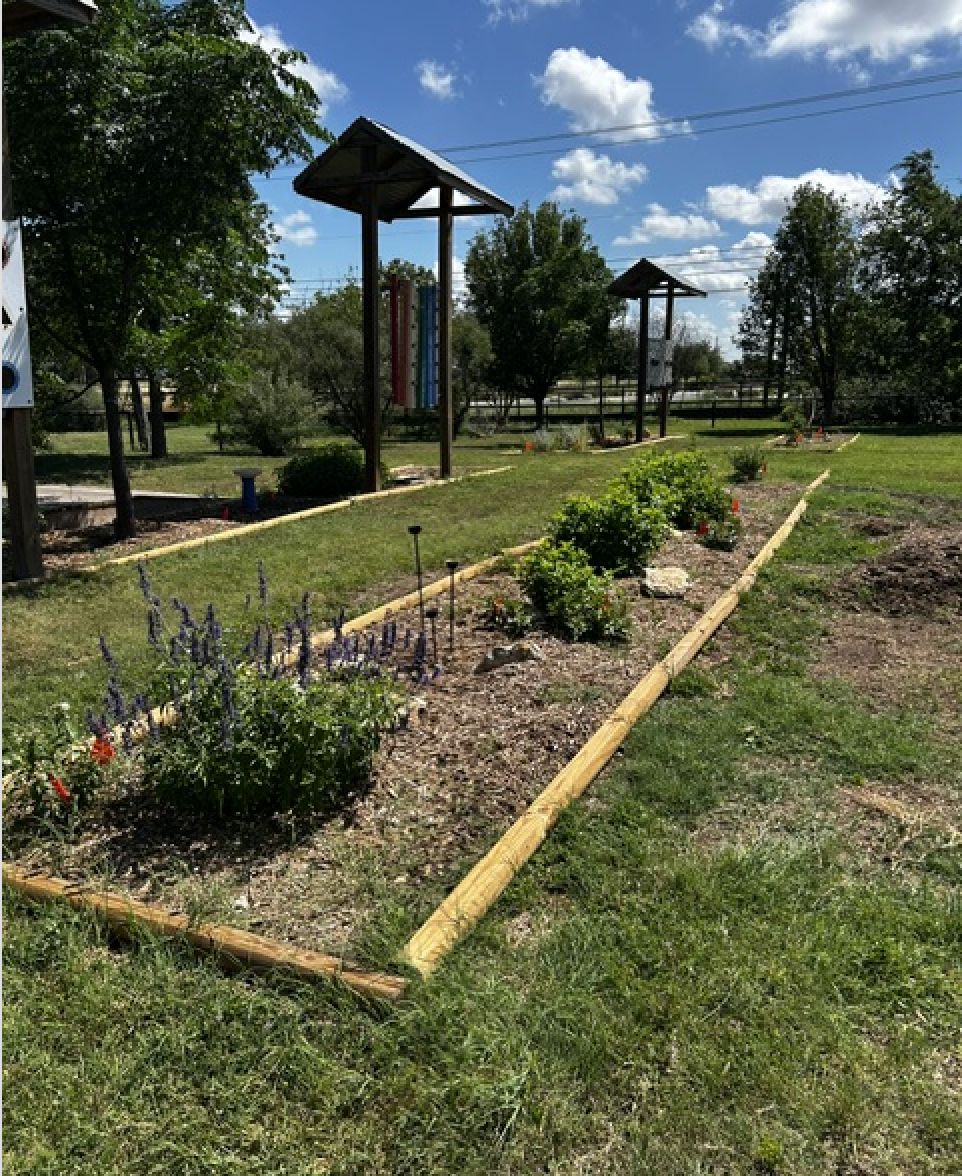
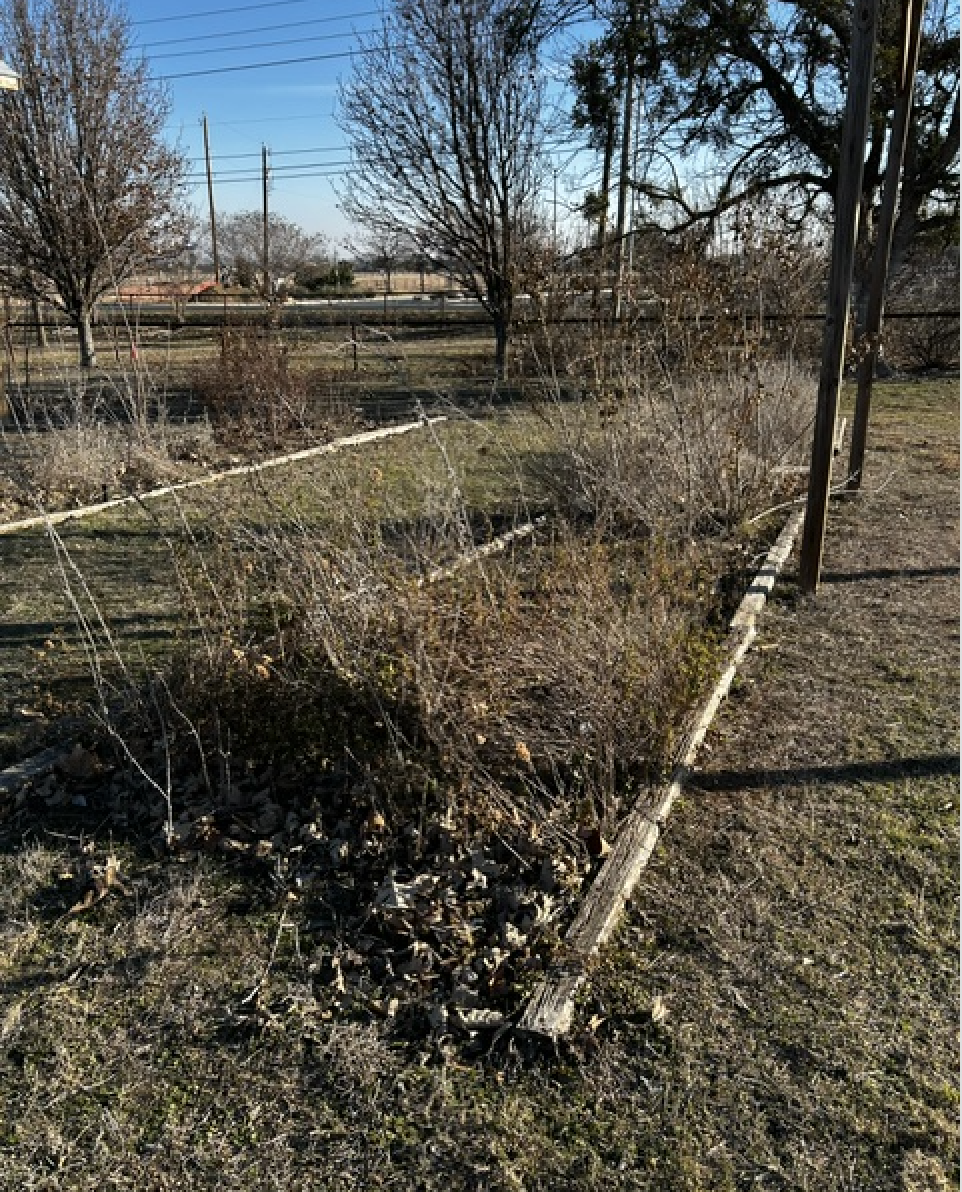
While volunteering, Ms. Popplewell often walked past the nonprofit’s sensory trail, which is used in therapy to engage participants by encouraging use of their senses. She noticed the flowerbeds needed attention. While leading a horse, she would ask the accompanying therapist to hold the reins for a moment so she could pull weeds.
“I started weeding, and I was just going to clean it up,” Ms. Popplewell said. “Then the Native Plant Society was offering a $600 grant for native plants to certain organizations.”
Although she had never written a grant proposal, she decided to give it a shot. To her surprise, she received the grant, which required using native plants to establish a monarch butterfly sanctuary.
“It’s a labor of love. It’s so much fun,” Ms. Popplewell said. “I work out there basically by myself, and I have my earbuds in, and I’m doing my thing. All of the flower beds are done, and what it now lacks is labeling the plants, which I have to do.”
The new native plants have attracted butterflies, bees and hummingbirds, adding to the area’s existing wildlife.
Ms. Popplewell said she feels good knowing the staff at ROCK have appreciated the improvements to the trail.
“I’m not doing it for anybody or anything, really, other than me,” she said. “I want it to look pretty, and it does. And I think that’s the thing, is, when you step back, you see the butterflies, and you go, yes, it’s working, it’s doing what I wanted it to do.”
Ms. Popplewell’s longterm goal is to make the Sensory Trail into a little park that can be used by the participants, staff and volunteers.
“I want it to be a neat place that anybody and everybody can go out and enjoy,” she said.