
In the near future, 10 Flock License Plate Reader cameras will find homes throughout Georgetown to help the Georgetown Police Department solve crimes like stolen vehicles, robbery and even murder.
However, Flock Safety has recently been featured in news across the country as police departments, municipalities and residents discuss the balance between data privacy and public safety.
Georgetown City Council member Jake French was one of the people who initially had concerns about data privacy. He pulled the almost $30,000 contract with Flock from the consent agenda for discussion during the March 10 city council meeting.
“I kind of had concerns when we approved it in the budget, but I wanted to wait until it actually hit the agenda as a contract item,” he told the Sun. “It wasn’t something I was going to, like, vote against the budget for it, because there’s all sorts of stuff that we approve in the budget.”
Mr. French’s concerns were:
- Do the Flock cameras that are owned by a few private businesses in Georgetown provide results in solving crimes that make the cameras worth it?
- Who has access to the data?
- What controls are in place to make sure it doesn’t get abused?
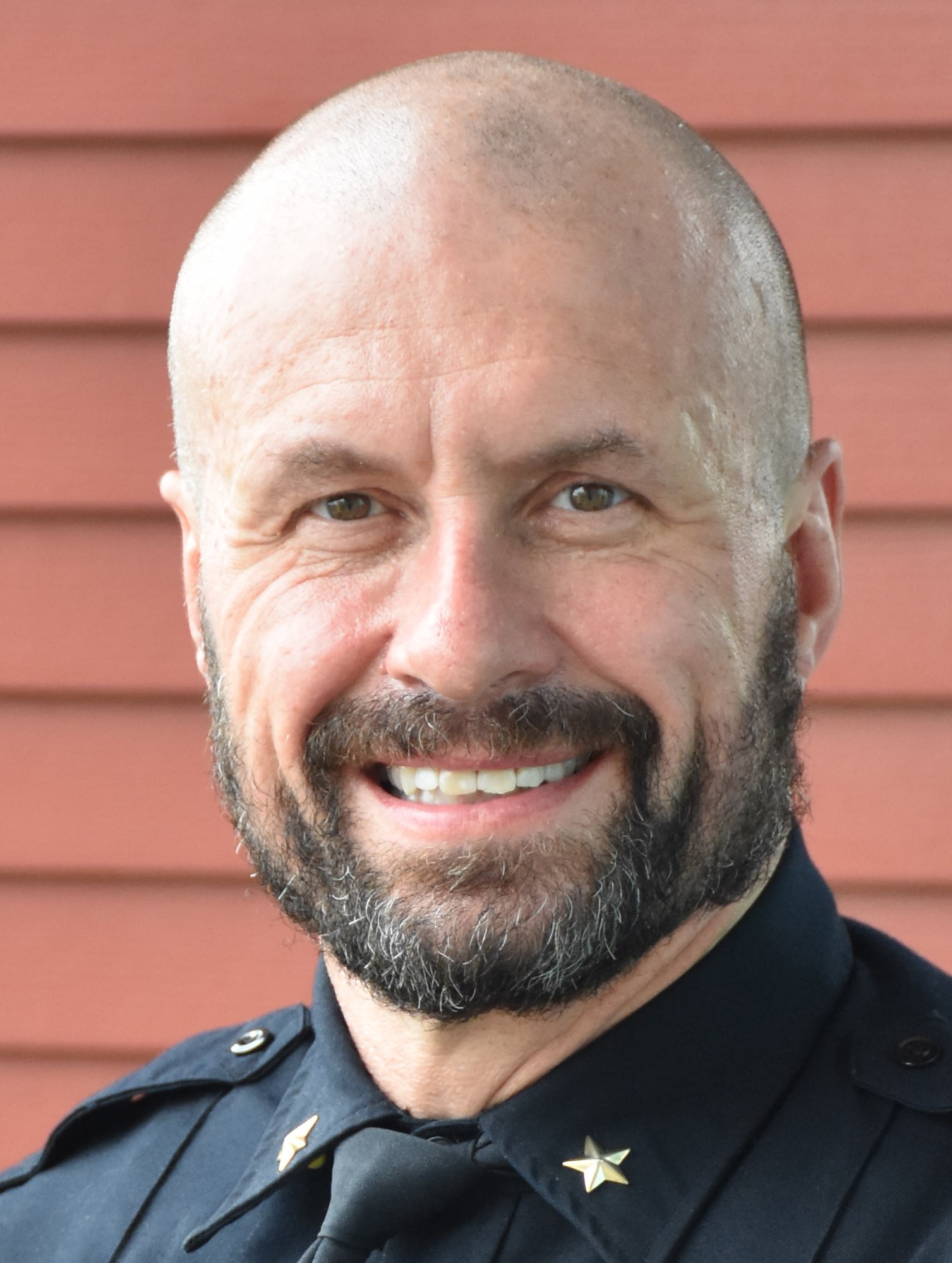
A license plate can only be looked up if there is a case number attached to the search, police Chief Cory Tchida told council.
The department will purchase the fixed cameras that capture images of a vehicle’s license plate, color, make and type, he said. The cameras do not record people or track drivers.
“The system does not use facial recognition and is designed specifically to identify vehicles connected to criminal activity,” Chief Tchida said during the March 10 meeting. “The data is encrypted and automatically deletes after a limited retention period, and pretty much the standard with Flock is 30 days.”
Even though Mr. French said Chief Tchida quelled most of his concerns, he’s still not sure about the control protocols of other agencies and how tight or loose they are.
“Corey in his presentation [to city council on March 10] said that the language around our level of access is pretty common and pretty industry standard,” Mr. French said. “If that’s true, which I don’t have any reason to believe it’s not, I’m not terribly concerned about other agencies, perusing the data needlessly or for any nefarious purposes either.”
Chief Tchida said he understands the conversation around privacy, but thinks ultimately, each community is going to have to decide what they want in terms of balancing public safety and privacy.
“I don’t know how to make [people who are opposed to the cameras] comfortable,” Chief Tchida told the Sun. “Flock has been adamant with us, ‘you’re the only one that can give permission to another entity,’ which, quite frankly, has to be a Flock customer.”
If another Flock customer requested data from the Georgetown Police Department, they would not get a batch set of data. Instead, when a search was made for a particular plate, if the plate appeared in GPD’s data within the last 30 days, that would come up as a result.
“It's not like they can just mine our data,” Chief Tchida said.
Understanding the concerns
Some residents have expressed worry on social media sites like Facebook and Nextdoor. Mr. French said he “definitely” understands the privacy concerns.
“I value my privacy. I don’t like the perception that Big Brother is watching me,” he said. “I did a little bit of homework and there’s pretty good legal precedent for the cameras. The idea is, if you’re operating a motor vehicle in the public right-of-way, you don’t have the assumption of privacy while you’re doing that. People drive, oftentimes with GoPros or whatever, on their own motor vehicles, privately. I get that it’s really more of a ‘okay, but the government now has access to that information.’ ”
Initiatives like the Flock cameras severs relationships with public and police, resident Bill Treadway told the Sun and “doesn’t preserve the relationship between the government and tax payers.”
“If you’re driving in Georgetown bad enough to get the attention of GPD you need counseling,” he said.
Whether or not Flock cameras are an invasion of privacy depends on the person’s perspective, Chief Tchida said. He added if someone was looking through the lens of the government having access to the cameras, “then I guess so [that’s it’s an invasion of privacy].”
However, he also pointed to the cityowned security cameras in places like the library or Rec Center.
“They’re video cameras, but they’re capturing everything you do,” the police chief said. “If you’re overall concerned about your privacy in general, the reality is, when you are in a public space, the amount of – hell, even in your Alexa, your phone, it’s insane, like that stuff is scary.”
Whenever there is any technological system being used in the city or in places like doctor’s offices, Chief Tchida said there’s a potential for cyber threats.
“I’m not saying that’s not a concern, but when you’re dealing with tech companies and software companies, they understand the significance and importance of a data breach of any kind, and do all the things they can to protect their systems,” he said.
In a blog post on Flock Safety’s website, the company said the news coverage about Flock has often focused on “misleading headlines, speculation or political framing.”
“The real answer requires us to be honest about what happened and what we're doing about it. The reality is more nuanced than the reporting.”
Part of the conversation that was happening on social media was whether or not Georgetown residents should have been able to vote on something like this. As this was a line item in the city budget that was approved in October, residents had the opportunity to speak out against items in the budget during budget discussions.
“At this point, it’s not the contract, it’s the dollar amount,” Chief Tchida said. “It’s already approved in the budget, I just had to take it to the council.”
Helping solve crimes
Because the information is only stored for 30 days, Mr. French said he felt better about the cameras. Data can only be requested and saved if it is part of a future trial.
“I think it helps the police react and respond quicker, and get a hit much quicker than if they didn’t have the plate readers,” he said. “Are there other ways to get that information? Yes. Are there other ways to get it that quickly? I don’t know. I kind of doubt it.”
Mr. Treadway said he sees the cameras as a source of revenue generation, and the contract approval was “handled Mickey Mouse.” He said he’s seen cameras like this in Houston and they are not effective and police service is better done through interaction with the public.
In the last seven months, Chief Tchida said there have been two murders the department was able to solve through the use of Flock cameras. One of which he said the department probably would have solved without the cameras, but the other one was an “absolute who done it.”
“I don't know what the world would have looked like if we had not been able to locate that vehicle using [license plate reader] technology,” he said. “We didn’t know who the suspect was. It wasn’t someone that was related to him or known to him after the fact; it’s entirely solved by the LPR technology.”
The chief emphasized that he and the city are not trying to hide anything and pointed to the police department’s transparency page, found at https://tinyurl.com/ysx4ddz2. He added Flock will also create a transparency page so the public can see how many cameras GPD has, how many searches have been done and how many different types of hits.
“I do appreciate the concerns, and I’m always happy to discuss the concerns,” Chief Tchida said.